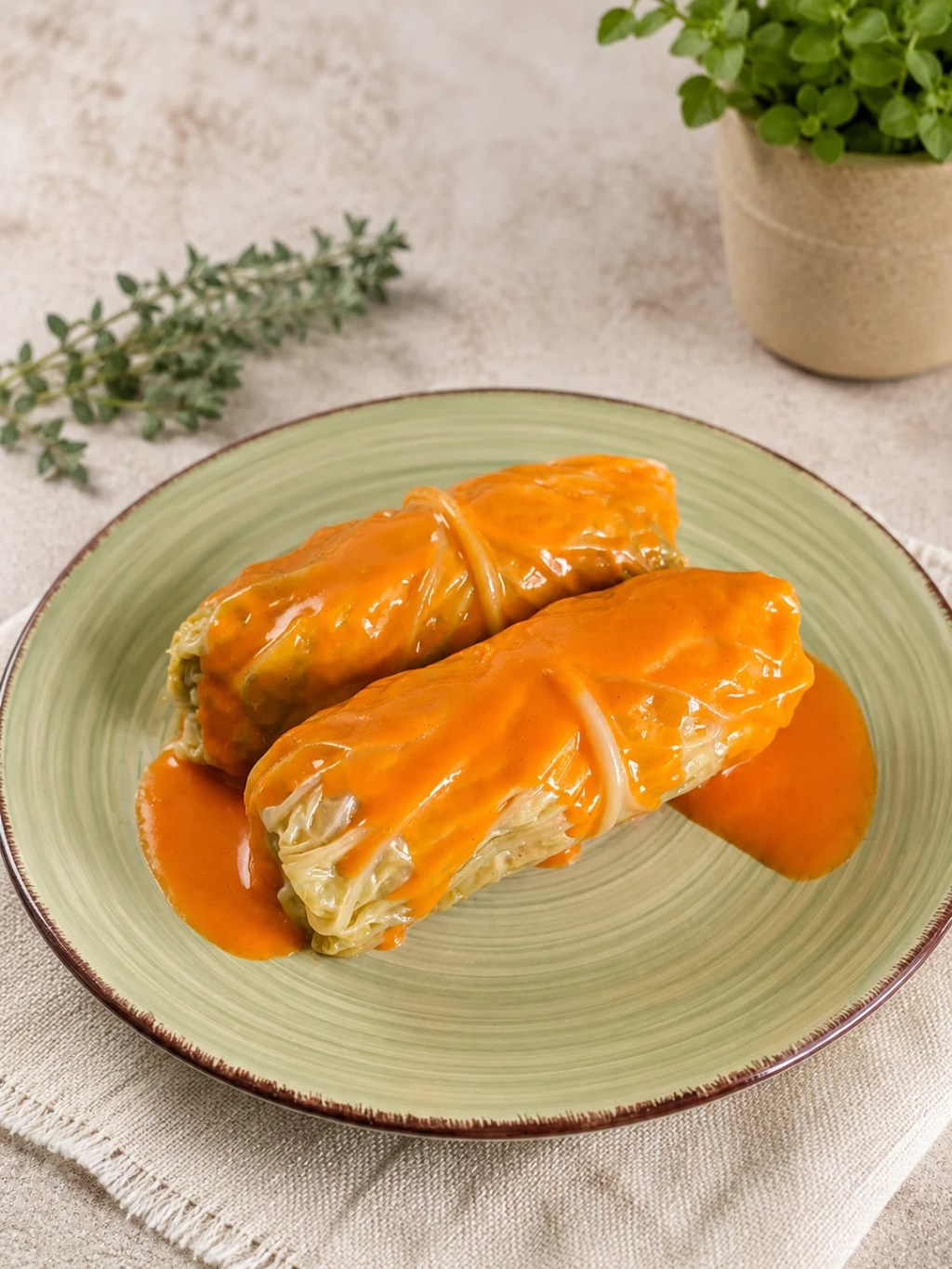
Traditional Polish Cabbage Rolls with Meat and Rice
Polish Stuffed Cabbage Rolls, known as Gołąbki, are one of those classic Polish comfort foods that instantly remind me of home. Tender cabbage leaves are filled with a simple mixture of rice, ground meat, and golden fried onions, then slowly cooked until wonderfully soft and flavorful.
For my gołąbki, I prefer using Savoy cabbage rather than regular white cabbage. Its leaves are softer and more flexible, which means there’s no need to boil the cabbage for a long time or fight with stubborn leaves that refuse to cooperate. And anyone who has ever made a big pot of gołąbki knows that cooperative cabbage is a beautiful thing. 😄
You can, however, make this recipe with regular white cabbage too. I’ve included instructions for both methods below.
Serve your gołąbki with your favorite tomato or mushroom sauce, or simply enjoy them without sauce with a light sprinkle of salt.
Why You’ll Love This Recipe
- Classic Polish comfort food
- Hearty and filling
- Made with simple ingredients
- Savoy cabbage makes wrapping much easier
- Choose your favorite type of ground meat
- Instructions for both Savoy and white cabbage
- Stovetop and pressure cooker methods included
- Perfect for making a large batch
Ingredients
For the Cabbage Rolls
- 1 large Savoy cabbage
- 500 g uncooked rice
- 1 kg ground meat
- 3 medium onions
- 1–2 tablespoons butter, for frying
- Salt, to taste
- Freshly ground black pepper, to taste
- Water, for cooking
Ground Meat Options
You can use whichever ground meat you prefer:
- Pork
- Beef
- Chicken
- Turkey
- Mixed pork and beef
They all work well, so simply choose the one your family likes best.
How to Prepare Savoy Cabbage
This is my favorite method because it’s quick and easy.
Bring a large pot of salted water to a boil.
Once the water is boiling, turn off the heat.
Carefully place the whole Savoy cabbage into the hot water and leave it there for several minutes.
The hot water will soften the leaves enough to make them flexible and easy to roll without actually cooking the cabbage for a long time.
Remove the cabbage and carefully separate the softened leaves.
If some of the inner leaves are still too firm, simply return the cabbage to the hot water for another few minutes.
For particularly thick leaves, you can carefully trim down the thickest part of the center rib with a knife. Don’t cut all the way through the leaf.
Can I Use Regular White Cabbage?
Absolutely.
Regular white cabbage works perfectly for traditional Polish gołąbki, but its leaves are firmer and need a little more cooking.
Bring a large pot of salted water to a boil.
Place the whole cabbage into the boiling water.
As the outer leaves soften and begin to loosen, carefully remove them one at a time using kitchen tongs.
Continue cooking the cabbage and removing softened leaves until you have enough for your cabbage rolls.
Allow the leaves to cool slightly before filling them.
If necessary, trim the thick center rib of each leaf so it’s easier to roll.
Prepare the Rice
Cook 500 g rice until done.
I prepare mine in a rice cooker, but you can cook it in a regular saucepan according to the package instructions.
Transfer the cooked rice to a large bowl and allow it to cool slightly.
Prepare the Onions
Dice the onions.
Melt the butter in a frying pan.
Add the onions and fry over medium heat until soft and beautifully golden.
Don’t rush this part — golden onions add a lot of flavor to the filling.
Add the fried onions to the cooked rice.
Make the Filling
Add 1 kg of raw ground meat to the rice and onions.
Season generously with salt and freshly ground black pepper.
Mix everything thoroughly until the meat, rice, and onions are evenly distributed.
The ground meat goes into the filling raw. It will cook completely while the cabbage rolls simmer.
How to Roll Gołąbki
Place one cabbage leaf flat on your work surface.
Add a portion of filling near the bottom of the leaf.
Fold the bottom of the leaf over the filling.
Fold both sides toward the center.
Roll everything tightly into a neat little parcel.
Don’t roll them excessively tight because the filling can expand slightly during cooking.
Repeat with the remaining cabbage leaves and filling.
Stovetop Method
Arrange the cabbage rolls tightly in a large pot, seam-side down.
You can place a few leftover cabbage leaves on the bottom of the pot first. This helps protect the cabbage rolls from sticking or catching on the bottom.
Arrange the gołąbki in layers if necessary.
Pour in enough water to provide moisture for steaming and simmering. The rolls don’t need to be completely submerged.
Cover the pot with a lid.
Bring gently to a simmer and cook over low heat for approximately 1 hour, until the cabbage is tender and the meat filling is completely cooked through.
Try not to boil them aggressively — gentle simmering keeps the rolls intact.
Pressure Cooker Method
Arrange the cabbage rolls in the pressure cooker, seam-side down.
Add water, making sure you follow the minimum liquid requirement for your particular pressure cooker.
Close the lid and bring the cooker to pressure.
Cook for approximately 20 minutes under pressure.
Allow the pressure to release according to your pressure cooker’s instructions before opening.
The cabbage should be wonderfully tender and the filling fully cooked.
What to Serve with Polish Gołąbki
Gołąbki are delicious served with:
- Tomato sauce
- Creamy tomato sauce
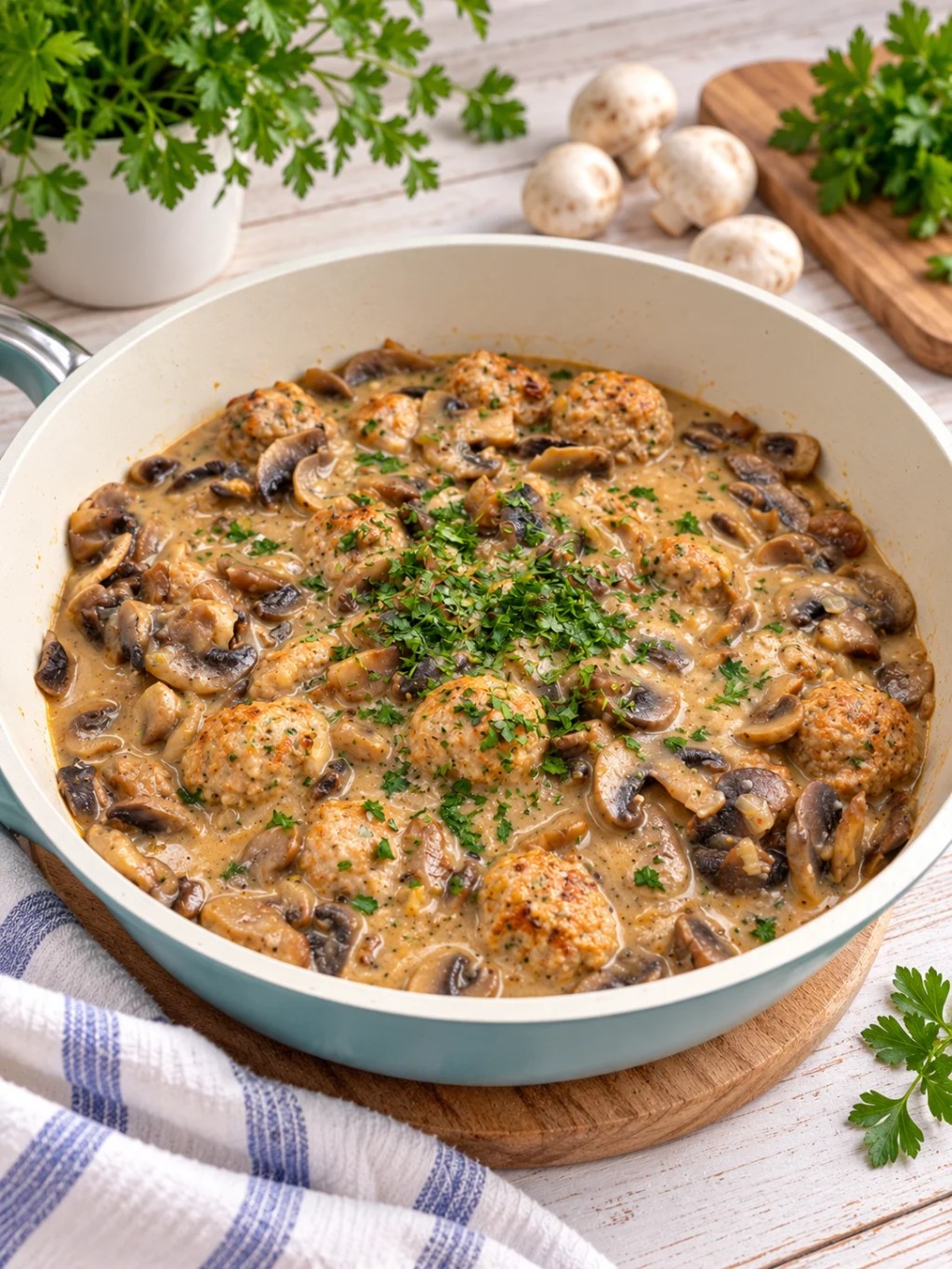
- Mushroom sauce
- Wild mushroom sauce
- Your favorite homemade gravy
But you don’t actually need a sauce at all.
I often enjoy them simply served hot with a very light sprinkle of salt. When the filling and cabbage are flavorful enough, they’re delicious just as they are.
Tips for Perfect Gołąbki
- Savoy cabbage is easier to work with. Its leaves soften quickly and roll beautifully.
- Don’t overcook the Savoy cabbage before filling it. It only needs enough time in hot water to become flexible.
- Use raw ground meat in the filling — there’s no need to fry it first.
- Fry the onions until golden for extra flavor.
- Don’t roll the cabbage leaves too tightly.
- Place the rolls seam-side down so they stay closed during cooking.
- Cook gently rather than at a rapid boil.
- Leftover cabbage leaves can be placed underneath and over the cabbage rolls while cooking.
Storage
Allow leftover gołąbki to cool completely before refrigerating.
Store them in an airtight container in the refrigerator for up to 3–4 days.
Reheat gently in a covered saucepan, microwave, or oven until piping hot throughout.
Can You Freeze Gołąbki?
Yes! Gołąbki are excellent for freezing, which makes this large recipe particularly useful.
Allow the cooked cabbage rolls to cool completely, then divide them into portions and freeze in airtight freezer-safe containers.
They can be frozen for up to 3 months.
Thaw overnight in the refrigerator before reheating.
Frequently Asked Questions
What is the best cabbage for gołąbki?
Traditional gołąbki can be made with regular white cabbage, but I prefer Savoy cabbage because the leaves are softer, more flexible, and easier to roll.
Do I need to cook the meat before filling the cabbage?
No. The ground meat is added to the rice raw and cooks inside the cabbage rolls.
Do I need to cook the rice first?
Yes. For this recipe, cook the rice before combining it with the raw meat and fried onions.
Can I use chicken or turkey instead of pork?
Absolutely. Pork, beef, chicken, turkey, or a mixture of meats will all work.
Can I make gołąbki without tomato sauce?
Definitely! Tomato sauce is popular, but it isn’t essential. Gołąbki are delicious with mushroom sauce or simply served without sauce.
Can I prepare gołąbki ahead of time?
Yes. In fact, they’re one of those dishes that taste fantastic reheated the next day.

Leave a Reply